

The Ultimate Guide to Seasonal Cape Cod Home Care
Keeping Your Cape Cod Home Running Smoothly—All Year Long
Cape Cod isn’t like other places, and neither are its homes. Whether you own a year-round residence in Barnstable or a summer cottage in Chatham you close up every October, the Cape’s coastal environment puts real demands on your home’s systems in ways that most generic home care advice just doesn’t account for. Cape Cod Heat Pumps works with homeowners across the Cape every season, and the issues that come up again and again are almost always preventable with the right prep work. This guide breaks it down season by season.
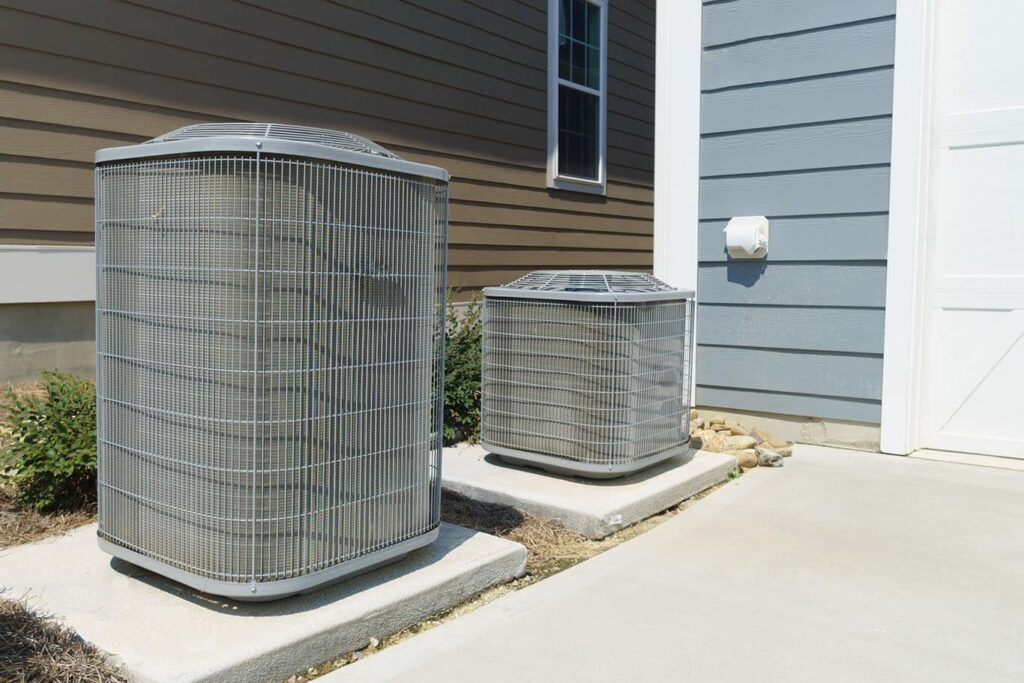
Salt Air Is Working Against Your Outdoor Equipment Year-Round
This one catches a lot of homeowners off guard. You don’t have to be right on the water for salt air to be a problem. On the Cape, salt particles travel inland on the wind, and they’re particularly hard on the aluminum fins and copper coils of outdoor HVAC units. Over time, that exposure causes corrosion that degrades efficiency and shortens equipment life, sometimes by years.
The fix isn’t complicated, but it does require consistency:
- Rinse outdoor units with fresh water a few times a year, especially after storms
- Keep vegetation cleared around the unit so airflow stays unobstructed and moisture doesn’t get trapped
- Have a technician inspect for early signs of corrosion during your annual maintenance visit
- Ask about protective coatings for exposed metal components, especially for units near the shore
If your current system is older and showing its age, it may be worth looking into heat pumps designed with coastal environments in mind. Modern units built with coated coils and corrosion-resistant materials hold up considerably better in salt air conditions.
Winterizing Your Seasonal Property the Right Way
If you’re a snowbird or closing up a seasonal property for the winter, this is where a lot of preventable damage happens. A Cape Cod winter isn’t mild. Freeze-thaw cycles, wind-driven precipitation, and weeks of below-freezing temps can do real damage to a home that wasn’t properly prepped.
HVAC
Don’t just turn the thermostat down and walk out the door. Before you leave:
- Schedule a heating system tune-up so you know the furnace or heat pump is in good shape. A heater maintenance check before departure gives you peace of mind while you’re away
- Set thermostats to a minimum of 55°F to prevent pipes from freezing. Even if you’re draining the system, residual water in traps and fixtures can still cause damage
- Consider a smart thermostat or remote monitoring so you can keep an eye on indoor temps from wherever you’re wintering
Plumbing
Water damage is the most common and costly issue in seasonally closed Cape homes. A proper winterization means shutting off the main water supply and draining pipes, water heaters, and appliances. If you have a well, that system needs attention too. This isn’t a DIY situation for most homeowners. A missed low point in a pipe can mean a flood come spring.
Electrical
Before closing up, it’s smart to have someone check the electrical panel and make sure there are no issues that could become hazardous over a long vacancy. Surge protection is also worth considering. Power fluctuations during winter storms are common on the Cape, and an unoccupied home with no one there to notice is particularly vulnerable. A whole-home surge protector is one of those investments that’s easy to forget about until you need it.
Summer Humidity: The Problem Nobody Talks About Enough
Come July and August, Cape Cod gets humid. Not Florida-humid, but enough that homes, especially older ones with less insulation, can struggle with moisture indoors. High indoor humidity makes air conditioning work harder, encourages mold growth, and just makes your home feel uncomfortable even at reasonable temperatures.
A few things that help:
- Make sure your AC system is sized correctly and maintained. An undersized or dirty system won’t dehumidify properly even when it’s running constantly
- Ductless mini splits are particularly good at managing humidity room by room, which matters in older Cape homes where airflow is uneven
- If humidity is consistently a problem indoors, a whole-home dehumidifier or humidity-sensing controls can help. Your indoor air quality isn’t just about air filters
Opening Your Cape Home for the Season
If you’ve been away all winter, resist the urge to just turn everything back on and assume it’s fine. A spring walk-through should include:
- Checking outdoor HVAC units for debris, pest intrusion, or visible corrosion before firing them up
- Running water through all fixtures and checking under sinks and around appliances for any leaks that developed over the winter
- Testing smoke and CO detectors. Battery backup units can drain over a long vacancy
- Having an electrician check the electrical system if the home has been closed for more than a few months, particularly in older properties
If you’re thinking about making upgrades during the off-season, a heat pump installation, panel upgrade, or EV charger for the garage, spring is a great time to get that work scheduled before the busy summer season hits.
Don’t Leave Money on the Table
Massachusetts has some of the most generous energy efficiency incentives in the country. If you’re considering upgrading heating or cooling equipment, look into the Mass Save rebate program before you buy. Rebates of up to $10,000 are available for qualifying heat pump installations, and Cape Cod Heat Pumps handles the paperwork as part of the installation process.
Get Your Cape Home Ready Before the Season Slips Away
Whether you’re closing up for winter, opening for summer, or just overdue for a maintenance visit, the team at Cape Cod Heat Pumps can help you stay ahead of whatever the Cape’s weather has in store. Schedule an appointment and let’s get your home in good shape before the season gets away from you.
Call Now (508) 833-4822Locals Get Your Home Best—And Cape is as Local as It Gets.
Our Service Areas
 All Service Areas