

How To Set Your Ductless HVAC System and Forget It
Keeping Your Cape Cod Home Running Smoothly—All Year Long
Most people treat their ductless mini-split like a regular window AC: crank it when it’s hot, shut it off when it’s not. That’s a perfectly functional approach, but it’s also leaving a lot of comfort and efficiency on the table. These systems are built to do so much more, and Cape Cod homeowners who take 20 minutes to set them up properly often say they forget the system is even running. That’s the goal, and the team at Cape Heating AC & Electric has helped enough local homeowners dial this in to know exactly what works.
Here’s how to set your ductless system season by season, and how to let it do its job without you hovering over the remote.
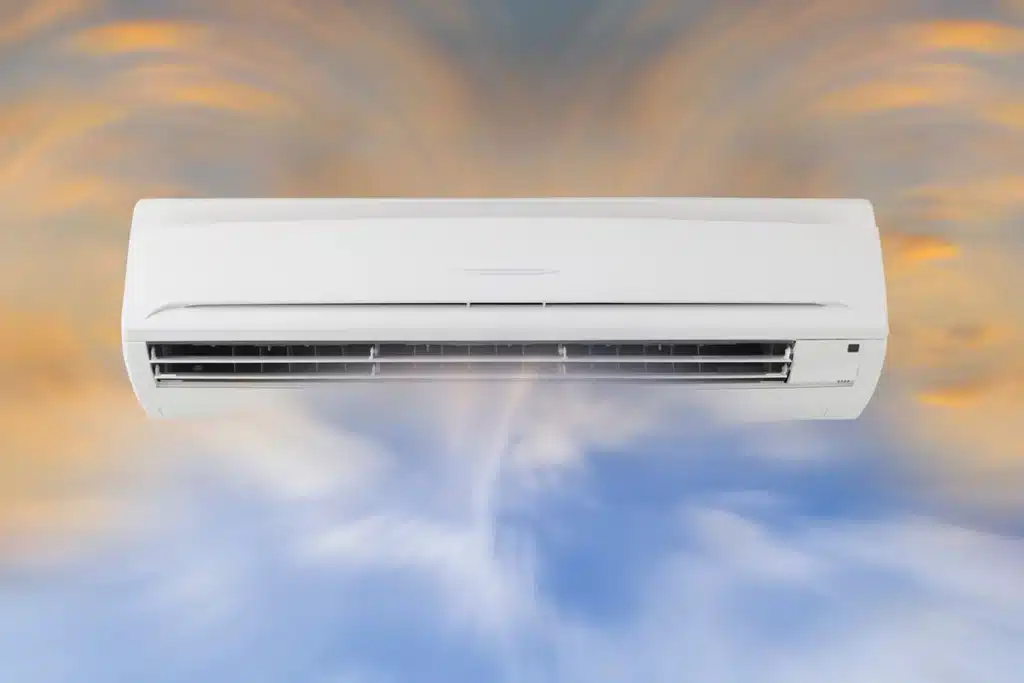
Why “Set It and Forget It” Actually Works With Ductless
Unlike a traditional forced-air system, a ductless mini-split runs on an inverter-driven compressor. That means instead of switching on and off in big cycles, it modulates continuously, making small adjustments to maintain a consistent temperature. The result is steadier comfort, less energy waste, and a system that genuinely thrives when you let it run rather than interrupting it every few hours.
The worst thing you can do is treat it like a light switch. The second worst thing is never touching the settings at all.
Summer Settings: Cool Without Overdoing It
On Cape Cod, summers are humid as much as they’re hot, and your mini-split handles both. Set your cooling mode to somewhere between 72 and 76 degrees. Going lower might feel refreshing for an hour, but it causes the coil to ice up, makes the system work harder, and leaves the air feeling clammy rather than comfortable.
- Fan speed: Let the system handle it. Auto fan mode allows the system to ramp up when it needs to and ease off when it doesn’t. Manual high-speed blasting might feel like it’s cooling faster, but it’s usually just moving air without removing humidity effectively.
- Airflow direction: Angle the louvers upward in cooling mode. Cold air falls naturally, so directing it toward the ceiling lets it cascade down evenly instead of blasting one corner of the room.
- Dry mode: If you’re dealing with a foggy, humid day without extreme heat, dry mode is your friend. It runs the system primarily as a dehumidifier without aggressive cooling. On Cape Cod’s muggy mornings, this can make a real difference in how the space actually feels.
Fall and Spring Settings: This Is Where Heat Pumps Shine
The mild shoulder seasons are where a heat pump earns its keep. Even when outdoor temps are in the 40s and 50s, modern heat pumps extract heat from outside air and bring it in efficiently, often outperforming electric resistance heat on energy costs.
Set heat mode to 68 to 70 degrees and let it run consistently. Constantly switching between heat and cool as weather shifts wastes energy and keeps the system in a state of catch-up. Pick a target temp and leave it.
One thing Cape Cod homeowners often don’t realize: heat pump efficiency actually improves when the system runs longer at a steadier load rather than in short bursts. That’s the inverter technology at work.
Winter Settings: Yes, It Still Works
Modern mini-splits are rated to operate efficiently well below freezing, which surprises people who assume these systems are just for summer. For winter heating, a target of 68 to 72 degrees is reasonable for occupied rooms.
A few cold-weather tips worth knowing:
- Don’t set it dramatically lower when you leave and crank it back up when you return. Deep setbacks force the system to work hard to recover, which is inefficient and rough on equipment. A swing of 2 to 4 degrees is fine; a swing of 10 degrees isn’t.
- Keep the outdoor unit clear. Snow and ice accumulation around the unit restricts airflow. Most units have a built-in defrost cycle, but they can’t work if they’re buried.
- If you have backup heat like a furnace or baseboard, let the mini-split handle the load during moderate cold and reserve the backup for the deepest freezes.
The Real “Set It and Forget It” Move: Automate It
The easiest way to stop thinking about your ductless settings is to schedule them. Most mini-split remotes have a built-in timer function, but a smart controller takes things further.
Devices like the Sensibo, Cielo Breez, or Kumo Cloud (Mitsubishi’s native option) connect your mini-split to your phone and allow you to build weekly schedules, geofencing triggers, and temperature-based automation. You can set it to ease back while you’re at work and return to your preferred temp before you walk in the door. On Cape Cod, where seasonal usage patterns vary so much between year-round residents and seasonal occupants, that kind of control pays off.
Don’t Let Settings Carry All the Weight
Even a perfectly programmed ductless system won’t perform well if the basics aren’t covered. Clean filters every 4 to 6 weeks during heavy-use seasons, and schedule a professional tune-up at least once a year. Routine AC maintenance keeps the system running at the efficiency levels it was designed for and catches small issues before they become expensive ones.
If your system is heating and cooling unevenly, cycling strangely, or struggling to hold a set temperature, those are signs it needs attention, not more adjustments to the remote.
Ready to Get More Out of Your System?
The right settings make a real difference in comfort and efficiency, but there’s no substitute for having the right equipment installed correctly in the first place. If you’re ready to optimize what you have or explore what a ductless setup could do for your Cape Cod home, reach out to Cape Heating AC & Electric and we’ll help you figure out exactly what makes sense.
Locals Get Your Home Best—And Cape Heating AC & Electric is as Local as It Gets.
Our Service Areas
 All Service Areas